
Employee monitoring tools are becoming a normal part of modern workplaces, especially with remote and hybrid teams. Businesses use them to understand productivity, protect company data, and manage performance. Yet, despite good intentions, many companies face strong pushback from employees the moment monitoring is introduced. So what’s really going on? The truth is, employees don’t resist monitoring because they want to avoid work. They resist it because monitoring is often rolled out without trust, clarity, or empathy. When tools feel invasive or secretive, resistance is almost guaranteed. Let’s break down why employees push back against monitoring tools and, more importantly, how companies can fix it the right way. From a business perspective, monitoring tools seem logical. They promise better visibility, accountability, and productivity insights. From an employee’s perspective, however, they often feel like: A lack of trust Constant surveillance Pressure to “look busy” instead of working effectively When employees hear “monitoring,” many immediately think “I’m being watched”, not “I’m being supported.” That emotional reaction is where resistance begins. Employee monitoring tools are designed to track work activity, not personal behavior. Depending on the software, they may track: Time spent on tasks or projects Active vs idle work time Apps and websites used during work hours Productivity trends over time When used ethically, these tools help managers understand how work flows, where teams struggle, and how to improve processes. Problems arise when employees aren’t told what is tracked, how it’s used, or why it matters. Employee resistance usually comes down to a few core issues: Fear of being constantly watched Worry about unfair judgment Unclear expectations Lack of transparency Poor communication from leadership Without context, monitoring feels personal even when it’s not meant to be. Employees often imagine worst-case scenarios instead of understanding the actual purpose. Privacy concerns sit at the heart of employee resistance. Common worries include: Is my screen being recorded? Is personal information being tracked? Am I monitored outside work hours? Will this data be used against me? These fears are understandable. Without clear boundaries, monitoring can feel invasive even if the company never intended it to be. That’s whyprivacy clarity is non-negotiable when introducing monitoring tools. Monitoring becomes a problem when it focuses on every minute instead of the overall outcomes. Micromanagement shows up when: Managers obsess over small activity gaps Productivity is measured by presence, not results Employees feel pressured to stay “active.” This environment kills trust and creativity. Employees stop working smart and start working defensively. Old-school monitoring is about control. Ethical monitoring is about clarity and improvement. Is transparent Respects work-life boundaries Focuses on trends, not individual moments Supports coaching instead of punishment Employees can immediately tell the difference. One approach builds trust. The other destroys it. Transparency is the fastest way to reduce employee resistance. When companies clearly explain: What is being tracked What is not being tracked How data is used How monitoring helps employees Resistance drops dramatically. Better yet, when employees can see their own productivity data, monitoring feels fair and collaborative, not secretive. Here’s what works in the real world: Communicate early – Don’t surprise employees Explain the “why” – Tie monitoring to productivity, not control Set clear boundaries – Work hours only, no personal data Use data for coaching – Not punishment Invite feedback – Let employees ask questions Resistance usually fades when people feel heard and respected. Remote work makes visibility harder, but that doesn’t justify over-monitoring. Ethical remote employee monitoring focuses on: Output instead of screen time Productivity trends instead of constant supervision Flexibility across time zones When remote employees feel trusted, they’re more engaged and productive. Yes, when done right. Ethical monitoring helps by: Identifying workload imbalances Spotting productivity blockers Supporting fair performance reviews Preventing burnout Instead of hurting morale, transparent monitoring oftenimproves performance and engagement. Not all tools are created equal. Businesses should look for software that offers: Transparency for employees Ethical activity tracking Productivity insights (not surveillance) Clear privacy controls Easy-to-understand dashboards The tool itself matters less than how it’s designed and used. TeamTrackin is built with transparency and ethics at its core. With TeamTrackin, businesses can: Track productivity openly Focus on trends, not micromanagement Give employees visibility into their own data Support remote and hybrid teams fairly Build trust instead of resistance Monitoring becomes a shared growth tool, not a source of fear. See howTeamTrackin helps companies monitor ethically and transparently. Employees don’t hate monitoring tools. They hate unclear, invasive, and unfair monitoring. When businesses lead with transparency, respect privacy, and focus on outcomes, monitoring stops being a threat and starts becoming a productivity advantage. The future of employee monitoring isn’t about watching more. Why do employees resist monitoring tools? Because of privacy concerns, lack of transparency, fear of micromanagement, and unclear communication. Is employee monitoring ethical? Yes, when done transparently, respectfully, and with a focus on productivity improvement, not control. How can companies monitor employees without losing trust? By explaining monitoring clearly, setting boundaries, and using data for support instead of punishment. Does employee monitoring reduce productivity? Poorly implemented monitoring can hurt productivity, but ethical monitoring often improves it. Are monitoring tools suitable for remote teams? Yes, when they focus on outcomes, flexibility, and transparency rather than constant supervision.Monitoring Tools Sound Helpful, So Why Do Employees Hate Them?
What Employee Monitoring Tools Really Do
Why Employees Feel Uncomfortable With Monitoring Tools
Privacy Is the Biggest Fear, and It’s Easy to Understand
When Monitoring Starts to Feel Like Micromanagement
Ethical Employee Monitoring vs Old-School Surveillance
Why Transparency Changes Everything
How to Introduce Monitoring Tools Without Upsetting Your Team
Monitoring Remote Employees Without Crossing the Line
Can Ethical Monitoring Actually Improve Productivity?
What to Look for in Employee Monitoring Software
How TeamTrackin Helps Companies Monitor Without Resistance
Conclusion
It’s about understanding better.FAQs
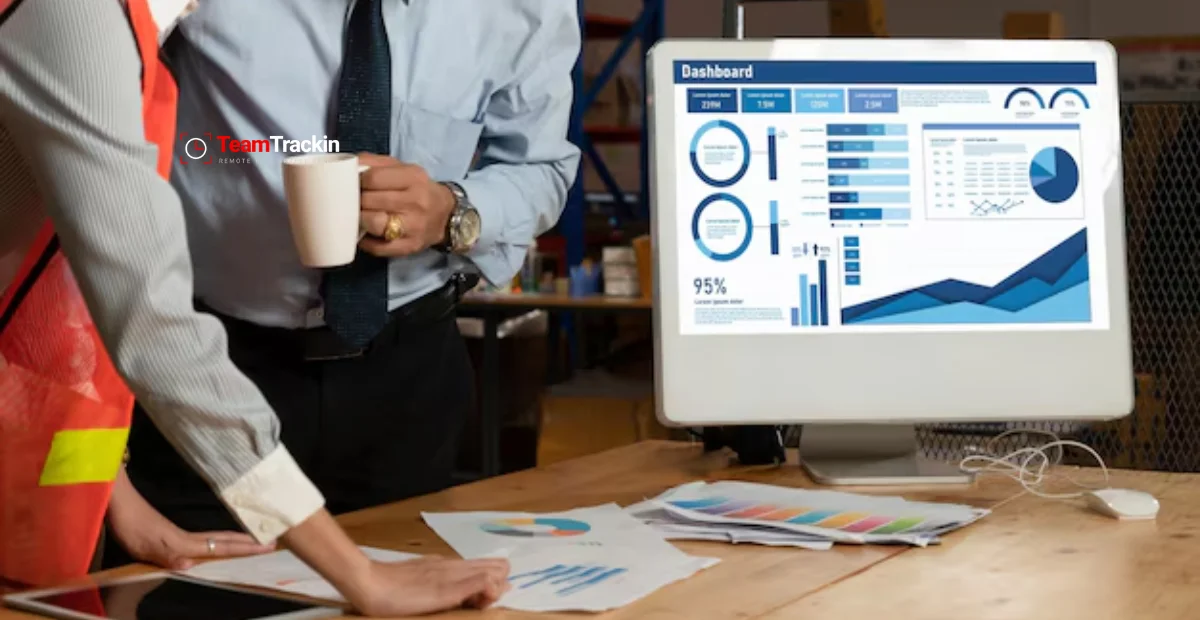
Why Employees Resist Monitoring Tools (And How to Fix It)
Ready to see what accurate, automated time tracking looks like for your team?
Start your free 14-day trial of TeamTrackin today — no credit card required, full access from day one.
Start Free Trial