
Workforce management software has come a long way from simple shift scheduling and timekeeping. In 2026, it’s no longer just an operational tool; it’s a strategic engine that helps businesses plan smarter, operate efficiently, and adapt to constant change. As remote work, hybrid teams, flexible schedules, and data-driven decision-making become the norm, organizations are rethinking how they manage their workforce. Modern workforce management software is now expected to do much more than track hours. It must deliver insights, support planning, and align people's strategies with business goals. In this guide, we’ll explore how workforce management software is evolving in 2026, why traditional systems are falling short, and how forward-thinking companies are using workforce management platforms to move from basic scheduling to true strategic planning. For years, workforce management systems focused on core administrative tasks such as employee scheduling, attendance tracking, and payroll support. While these functions are still essential, they are no longer enough. Today’s workforce is more dynamic than ever. Employees work across locations, time zones, and contract types. Managers need visibility, flexibility, and real-time insights to keep operations running smoothly. Modern workforce management software has evolved to address these realities by combining scheduling, time tracking, analytics, and automation into a unified system. The goal is no longer just control but its optimization and foresight. Many organizations still rely on outdated workforce management tools or disconnected systems. These legacy solutions create more problems than they solve. Common limitations include: Rigid scheduling that doesn’t support hybrid or remote work Manual processes that increase errors and administrative workload Limited reporting that shows what happened, not why No support for workforce analytics or forecasting Without real-time data and strategic insight, managers are forced to react instead of plan. In 2026, this reactive approach puts businesses at a competitive disadvantage. The biggest shift in workforce management software is its role in decision-making. Instead of being a back-office system, it now sits at the center of workforce strategy. Scheduling is still important, but it’s only the starting point. Modern workforce management software helps organizations understand workforce capacity, predict staffing needs, and align resources with demand. By analyzing historical data and current trends, workforce management systems can support smarter planning decisions, such as: When to hire or scale back How to distribute workloads more fairly Which teams are at risk of burnout Where productivity gaps exist This shift turns workforce management into a proactive discipline rather than a reactive one. Workforce analytics is one of the most powerful additions to workforce management software in 2026. Instead of static reports, businesses now expect actionable insights. Advanced workforce analytics software provides visibility into: Attendance and availability patterns Productivity trends over time Overtime usage and labor costs Workforce performance across teams and roles These insights help leaders make informed decisions based on data, not assumptions. Workforce analytics bridges the gap between daily operations and long-term strategy. Automation has become a core feature of workforce management software. Manual processes like spreadsheet-based scheduling or time reporting simply don’t scale. Automated workforce management systems can: Generate schedules based on availability and demand Track time and attendance automatically Apply overtime and compliance rules consistently Reduce administrative workload for managers and HR teams By removing repetitive tasks, automation allows teams to focus on higher-value work such as coaching, planning, and optimization. In 2026, remote and hybrid work is no longer an exception; it’s a standard operating model. Workforce management software must support flexibility without sacrificing visibility. Modern workforce management platforms are designed to: Track attendance across locations and time zones Support flexible schedules and work arrangements Provide transparency without micromanagement Ensure fairness between on-site and remote employees This balance is critical. Effective workforce management software enables accountability while respecting autonomy. Another major shift is the focus on employee experience. Workforce management is no longer just for managers; it’s also for employees. User-friendly workforce management systems allow employees to: View schedules and availability Track their own time and attendance Access performance and productivity insights Request leave or schedule changes easily When employees understand how workforce data is used and benefit from it, engagement and trust improve. In 2026, employee-centric workforce management is a competitive advantage. Compliance remains a critical function of workforce management software. Labor laws, overtime rules, and record-keeping requirements continue to grow more complex. Modern workforce management systems help organizations: Maintain accurate time and attendance records Apply overtime rules consistently Reduce payroll errors and disputes Support audits and compliance reporting Automation and centralized data reduce risk while improving accuracy across the organization. Workforce management software no longer operates in isolation. In 2026, integration is essential. Leading workforce management platforms integrate seamlessly with: Payroll systems Project management tools This connected ecosystem ensures data flows smoothly across departments, eliminating silos and improving decision-making. The biggest change in 2026 is how leadership uses workforce management data. Instead of relying on intuition, leaders use workforce insights to guide strategy. Workforce management software supports strategic leadership by: Aligning workforce capacity with business goals Identifying risks before they impact performance Supporting data-driven workforce planning Improving long-term productivity and efficiency This shift positions workforce management as a strategic asset rather than an operational necessity. Not all workforce management tools are built for modern needs. When evaluating solutions, businesses should look beyond basic scheduling features. Key capabilities to prioritize include: Workforce analytics and reporting Automation and scalability Support for remote and hybrid teams Employee-friendly interfaces Integration with existing systems The right workforce management software should grow with your organization and support both operational and strategic goals. TeamTrackin is built for organizations that want more than just scheduling and time tracking. It supports modern workforce management by combining automation, visibility, and insights into a single platform. With Teamtrackin, businesses can: Track time and attendance accurately Monitor workforce productivity trends Gain insights for workforce planning Support remote and hybrid teams Make data-driven decisions with confidence Teamtrackin helps organizations move from basic workforce management to strategic workforce planning without unnecessary complexity. Looking ahead, workforce management software will continue to evolve toward greater intelligence and predictive capabilities. AI-driven insights, real-time analytics, and strategic planning tools will become standard. In 2026 and beyond, successful organizations will be those that treat workforce management as a strategic discipline, not just a scheduling function. Workforce management software in 2026 is no longer about managing shifts; it’s about managing strategy. As businesses face increasing complexity, modern workforce management systems provide the visibility, flexibility, and insight needed to plan for the future. By combining scheduling, automation, analytics, and strategic planning, workforce management software has become a cornerstone of modern business success. Organizations that invest in the right tools today will be better prepared for the workforce challenges of tomorrow.The Evolution of Workforce Management Software
Why Traditional Workforce Management Tools Are No Longer Enough
Workforce Management Software in 2026: What’s Changed?
From Scheduling to Workforce Planning
The Role of Workforce Analytics in Strategic Planning
Automation as the Foundation of Modern Workforce Management
Supporting Remote and Hybrid Workforces
Workforce Management Software and Employee Experience
Compliance, Accuracy, and Risk Reduction
Integrating Workforce Management with Business Systems
How Workforce Management Software Drives Strategic Leadership
Choosing the Right Workforce Management Software in 2026
How TeamTrackin Supports Modern Workforce Management
The Future of Workforce Management Software
Conclusion
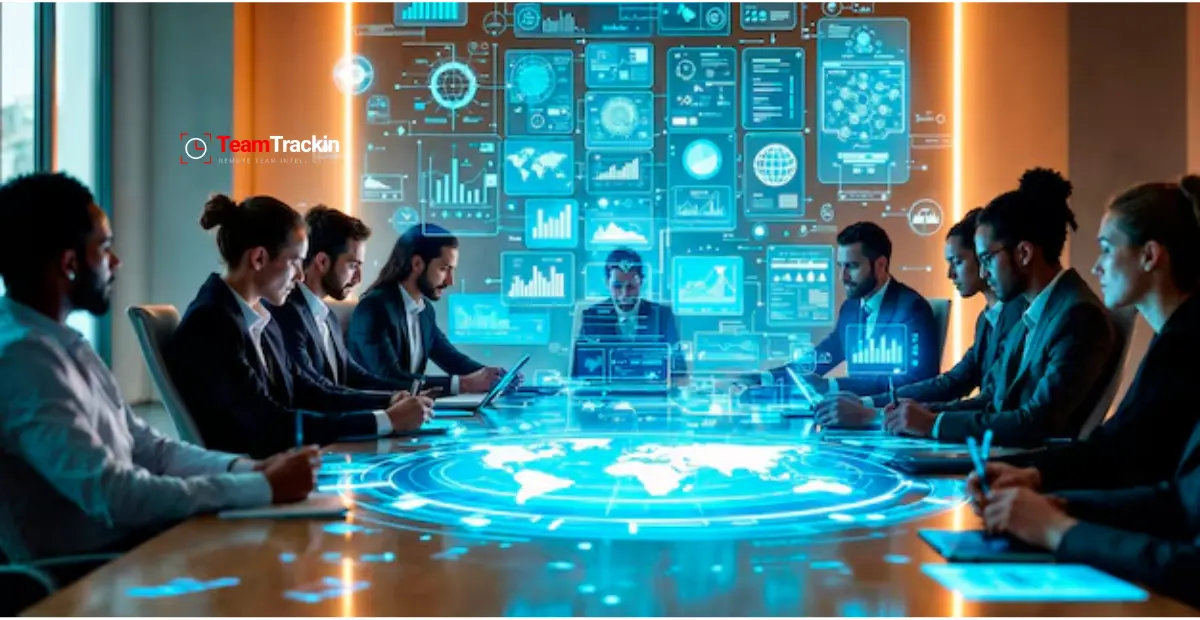
Workforce Management Software in 2026: From Scheduling to Strategic Planning
Ready to see what accurate, automated time tracking looks like for your team?
Start your free 14-day trial of TeamTrackin today — no credit card required, full access from day one.
Start Free Trial