
In today’s competitive business landscape, instinct is no longer enough. Leaders need clarity. HR teams need measurable outcomes. And organisations need real-time visibility into how their workforce drives performance. This is where workforce analytics software becomes a strategic advantage. Instead of relying on disconnected HR reports or surface-level productivity metrics, modern workforce analytics tools transform employee data into actionable insights. When used correctly, they help businesses improve productivity, reduce turnover, optimise workforce planning, and align people strategy with business growth. Let’s explore how workforce analytics turns everyday employee data into a powerful business strategy — and why forward-thinking companies are investing in it now. Workforce analytics software is a data-driven platform that collects, analyses, and visualises employee-related data to support better decision-making. Unlike traditional HR reporting, which simply tells you what happened, workforce analytics explains: Why it happened What trends are emerging What is likely to happen next What action should you take It brings together data from time tracking systems, attendance records, project management tools, performance metrics, and engagement insights to create a comprehensive picture of workforce performance. This approach is closely aligned with the principles promoted by the Chartered Institute of Personnel and Development, which emphasises evidence-based HR and strategic workforce planning. Historically, HR operated separately from business strategy. Today, that separation no longer works. Workforce analytics allows HR leaders to demonstrate how employee performance impacts revenue, client satisfaction, and operational efficiency. When productivity data and workforce costs are linked to business outcomes, HR becomes a strategic partner rather than an administrative function. Managers often rely on assumptions: “This team seems productive.” “Turnover is just part of the industry.” “We probably need to hire more staff.” Analytics replaces these assumptions with measurable evidence. For example: Are employees overworked or underutilised? Is absenteeism increasing in a specific department? Are certain projects consistently exceeding budget due to time inefficiencies? Reliable workforce data provides clarity — not guesswork. According to data insights published by the U.S. Bureau of Labour Statistics, workforce productivity trends directly influence national economic performance. On a business level, companies that monitor workforce efficiency closely tend to outperform those that don’t. Simply put: organisations that understand their workforce data make smarter, faster decisions. To turn employee data into strategy, software must go beyond spreadsheets. Effective workforce analytics platforms include: Live dashboards provide visibility into: Active work hours Productivity levels Task completion rates Project time allocation When integrated with time tracking systems like those offered by TeamTrackin, managers gain immediate insight into how teams spend their time — without intrusive micromanagement. By analysing work patterns, businesses can identify: Peak productivity hours Inefficient workflows Overloaded employees Underutilised talent This supports fair workload distribution and performance optimisation. Advanced analytics can forecast: Hiring needs Seasonal workload fluctuations Potential turnover risks Skills shortages This allows leadership to prepare instead of react. Executives need high-level insights, while HR teams require operational detail. Modern workforce analytics software offers customisable dashboards tailored to each role, ensuring everyone sees what matters most. The transformation from data to strategy happens in three clear stages: The foundation of analytics is reliable data. This includes: Time tracking records Attendance logs Performance metrics Project timelines Engagement indicators Without accurate data collection, analytics loses its value. Once data is centralised, the software detects patterns such as: Rising absenteeism in a department Declining productivity during certain hours High-performing teams using specific workflows Increased overtime linked to project overruns Patterns reveal inefficiencies and opportunities. The final and most important stage is action. Examples include: Adjusting staffing levels Redistributing workloads Introducing training programmes Improving scheduling processes Refining performance management systems This is where workforce analytics evolves from a reporting tool to a strategic engine. Effective workforce analytics focuses on meaningful KPIs, such as: Employee productivity rate Utilisation rate Billable vs non-billable hours Absenteeism rate Staff turnover rate Overtime costs Project profitability Cost per employee Tracking these metrics consistently helps organisations control costs while improving performance. Remote and hybrid work models have made workforce visibility more complex. Leaders need insight — but employees expect trust and transparency. Workforce analytics software solves this by providing performance-based insights rather than invasive monitoring. For distributed teams, analytics helps: Maintain accountability without micromanagement Identify engagement issues early Ensure fair workload distribution Monitor productivity trends across time zones Support data-driven performance reviews When used ethically, workforce analytics strengthens trust rather than undermines it. When implemented properly, workforce analytics delivers measurable business value. By identifying inefficiencies and optimising workflows, teams can achieve more in less time. Analytics can detect early warning signs of disengagement or burnout, allowing proactive intervention. Instead of reactive hiring, organisations can forecast workforce needs based on data trends. Understanding labour costs in relation to output helps protect profit margins. For UK organisations especially, data-driven documentation supports regulatory compliance and structured HR reporting. Not all solutions are equal. When selecting workforce analytics software, consider: The platform should integrate seamlessly with time tracking, payroll, project management, and HR systems. As your business grows, your analytics solution must grow with you. UK businesses must ensure compliance with data protection standards. Workforce data is sensitive and must be handled responsibly. Analytics is only valuable if managers can interpret and act on it. Intuitive dashboards are essential. Workforce analytics continues to evolve rapidly. Emerging trends include: AI-powered predictive workforce modelling Skills-based workforce planning Real-time performance forecasting Ethical analytics frameworks Integration of employee well-being metrics The future of HR is proactive, predictive, and data-driven. Organisations that invest in analytics today will be better prepared for tomorrow’s workforce challenges. Workforce analytics software is no longer optional; it is a strategic necessity. Businesses that harness employee data effectively can: Improve productivity Reduce costs Strengthen retention Enhance decision-making Align workforce strategy with long-term business growthWhat Is Workforce Analytics Software?
Why Workforce Analytics Is Critical for Modern Businesses
1. Aligning HR With Business Strategy
2. Replacing Guesswork With Data-Driven Decisions
3. Gaining Competitive Advantage
Key Features of Modern Workforce Analytics Software
Real-Time Employee Performance Insights
Productivity & Activity Analytics
Predictive Workforce Planning
Custom Dashboards for Decision-Makers
How Workforce Analytics Turns Employee Data Into Strategy
Step 1: Collect Accurate Workforce Data
Step 2: Identify Trends and Patterns
Step 3: Translate Insights Into Action
Core Workforce Metrics That Drive Business Growth
Workforce Analytics for Remote & Hybrid Teams
Business Benefits of Workforce Analytics Software
Improved Productivity
Reduced Employee Turnover
Smarter Workforce Planning
Better Financial Control
Stronger Compliance and Reporting
Choosing the Right Workforce Analytics Software
Integration Capabilities
Scalability
Data Security & GDPR Compliance
Ease of Use
Future Trends in Workforce Analytics
Turning Employee Data Into Competitive Advantage
Platforms like TeamTrackin support this transformation by providing accurate time tracking, workforce visibility, and actionable productivity insights
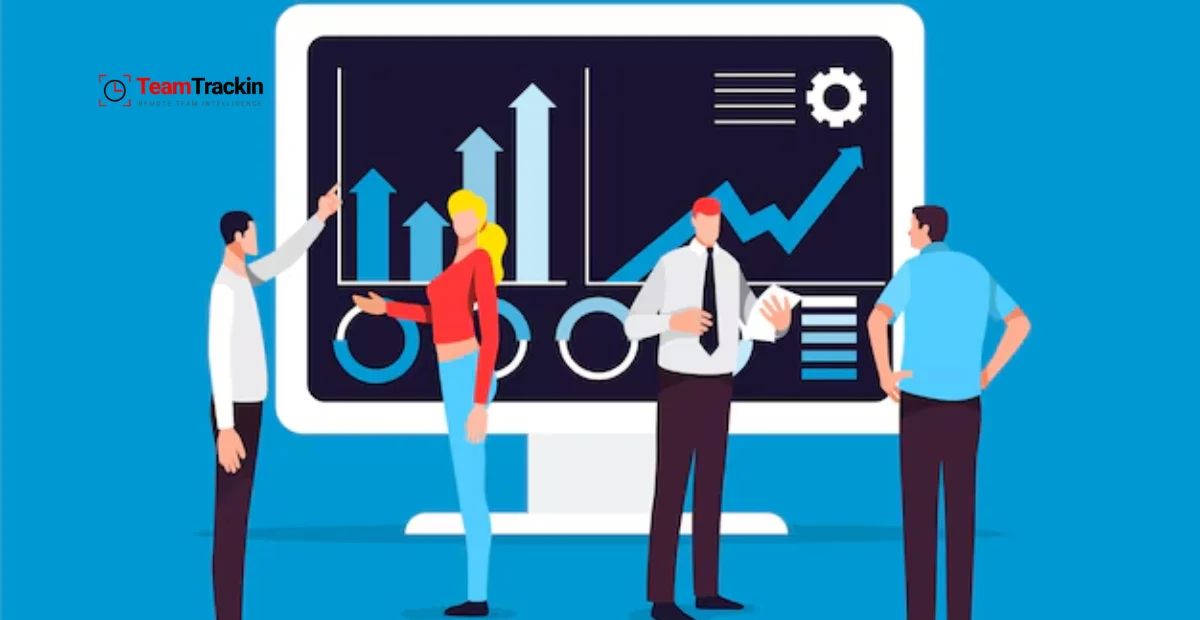
Workforce Analytics Software: Turning Employee Data into Business Strategy
Ready to see what accurate, automated time tracking looks like for your team?
Start your free 14-day trial of TeamTrackin today — no credit card required, full access from day one.
Start Free Trial