
Project management can feel overwhelming when you're juggling deadlines, budgets, and team expectations. The good news? The right technique can transform chaos into clarity and help your team consistently deliver successful outcomes. This guide explores proven project management techniques that work across industries and team sizes. You'll discover how to select the best approach for your specific situation, understand when to pivot between methods, and learn practical tools to boost your project success rate. Project management techniques provide the blueprint for organizing, planning, and executing work efficiently. These structured approaches help teams deliver projects on time, within budget, and to specification. A structured planning framework establishes clear processes for project initiation, planning, execution, monitoring, and closure. These frameworks create consistency across projects and provide team members with predictable workflows. Key components include: Clear role definitions and responsibilities Standardized documentation processes Regular checkpoint and review cycles Risk assessment and mitigation strategies Communication protocols Attendance management often presents challenges that can disrupt project execution if not addressed. Explore common challenges and their solutions here Industries develop specialized approaches based on their unique challenges. Construction projects require rigid sequential planning due to physical dependencies. Software development benefits from iterative approaches that accommodate changing requirements. Regulatory environments also influence methodology selection. Healthcare and aerospace projects demand extensive documentation and approval processes, making traditional waterfall approaches more suitable than fast-moving agile methods. Structured project management delivers three primary advantages: Clarity: Team members understand their roles, deadlines, and deliverables. This reduces confusion and ensures everyone works toward the same objectives. Consistency: Standardized processes make it easier to compare project performance, identify best practices, and replicate successful approaches across multiple projects. Performance Tracking: Defined metrics and milestones enable project managers to monitor progress, identify issues early, and make data-driven decisions. Choosing the right project management technique requires careful evaluation of several factors that influence project success. Large, complex projects with well-defined requirements often benefit from traditional waterfall approaches. These projects need extensive upfront planning and have limited tolerance for scope changes. Smaller projects with evolving requirements work better with agile methodologies. These approaches embrace change and allow teams to adapt quickly based on new information or stakeholder feedback. Team size significantly impacts methodology selection. Small, co-located teams can effectively use lightweight agile approaches. Large, distributed teams may need more structured frameworks with formal communication channels. Stakeholder involvement levels also matter. Projects with highly engaged stakeholders who can provide frequent feedback suit iterative approaches. Projects with limited stakeholder availability require more upfront planning and documentation. Risk tolerance varies by organization and project type. Conservative organizations or high-stakes projects may prefer methodologies with extensive planning and risk mitigation. Innovation projects may accept higher risk for faster delivery. Create a decision matrix weighing these factors: High predictability needs + Low change tolerance = Waterfall or PRINCE2 High flexibility needs + High change tolerance = Agile or Scrum Moderate predictability + Moderate flexibility = Hybrid approaches High quality requirements + Process improvement focus = Six Sigma integration Traditional project management techniques provide structured, sequential approaches that work well for projects with clear requirements and predictable outcomes. Waterfall methodology follows a linear sequence where each phase must complete before the next begins. This approach works well for projects with: Well-defined requirements Stable scope Clear dependencies between phases Regulatory or compliance requirements The typical waterfall sequence includes requirements gathering, design, implementation, testing, and deployment. Each phase produces deliverables that inform the next phase. Stage-gate methodology adds formal review points between phases. Projects cannot proceed to the next stage without meeting specific criteria and obtaining approval. This approach provides strong governance and risk control but can slow project delivery. It's particularly valuable for: High-risk projects Projects requiring regulatory approval Multi-year initiatives with significant investment Gantt charts provide a visual timeline representation of project tasks, dependencies, and milestones. They help project managers: Identify critical path activities Spot resource conflicts Communicate timelines to stakeholders Track progress against planned schedules Modern Gantt chart tools integrate with other project management features, making them useful across different methodologies. Effective project management requires robust tools like TeamTrackin for monitoring progress, managing budgets, and optimizing resource allocation. Earned Value Management (EVM) provides integrated performance measurement by comparing planned work, completed work, and actual costs. Key EVM metrics include: Planned Value (PV): Budgeted cost of planned work Earned Value (EV): Budgeted cost of completed work Actual Cost (AC): Actual cost of completed work These metrics generate performance indicators like Schedule Performance Index (SPI) and Cost Performance Index (CPI), helping project managers identify issues early. Critical Path Method (CPM) identifies the longest sequence of dependent tasks that determines project duration. Tasks on the critical path have zero float time—any delay directly impacts the project end date. CPM helps project managers: Focus attention on highest-impact activities Optimize resource allocation Identify opportunities for schedule compression Communicate timeline risks to stakeholders To streamline performance tracking, especially in small teams or startups, you can integrate reliable time and attendance software. Here’s a curated list of the best solutions tailored for small businesses. Critical Chain Project Management (CCPM) focuses on resource constraints rather than just task dependencies. It uses resource buffers to protect project timelines and feeding buffers to protect the critical chain. CCPM works particularly well for: Resource-constrained environments Multi-project organizations Projects with significant resource sharing Effective resource and time management doesn’t have to feel like micromanagement. Here’s how to track employee time without overwhelming your team. Some techniques specifically focus on accelerating project delivery through schedule compression and parallel execution. Fast-tracking involves performing activities in parallel that were originally planned in sequence. This approach reduces overall project duration but may increase risk and rework. Crashing adds resources to critical path activities to reduce their duration. This typically increases project costs but can be cost-effective when schedule acceleration provides significant value. Overlapping phases requires careful coordination to manage dependencies and information flow. Successful phase overlap depends on: Clear interface definitions between phases Robust communication protocols Risk management for potential rework Stakeholder alignment on increased complexity Lean principles from manufacturing translate effectively to project management, focusing on waste elimination and continuous improvement. Lean project management identifies and eliminates eight types of waste: Overproduction (unnecessary features) Waiting (idle time) Transportation (unnecessary movement) Overprocessing (excessive approvals) Inventory (work in progress) Motion (inefficient workflows) Defects (rework) Underutilized talent (poor resource allocation) Just-in-time principles minimize inventory and waste by delivering resources exactly when needed. In project management, this means: Avoiding excessive work-in-progress Timing resource allocation to match demand Minimizing handoff delays Reducing documentation overhead Moving from manual to digital attendance systems can drastically reduce waste and inefficiencies.Check out the differneces in these approaches here. Agile methodologies embrace change and uncertainty through iterative development and continuous feedback. Agile values prioritize: Individuals and interactions over processes and tools Working software over comprehensive documentation Customer collaboration over contract negotiation Responding to change over following a plan This mindset emphasizes adaptability, collaboration, and delivering value quickly. Scrum organizes work into fixed-length sprints (typically 2-4 weeks) with defined roles: Product Owner: Defines requirements and priorities Scrum Master: Facilitates process and removes obstacles Development Team: Delivers working product increments Daily stand-ups keep team members aligned and identify impediments quickly. Sprint reviews and retrospectives enable continuous improvement. Kanban visualizes work flow through columns representing different stages (To Do, In Progress, Done). Work-in-progress limits prevent bottlenecks and maintain steady flow. Kanban works well for: Continuous flow projects Support and maintenance work Teams new to agile methods Projects with varying priorities Scrumban combines Scrum's structured sprints with Kanban's flow-based approach. Teams use sprint planning for coordination while maintaining continuous flow and visual management. This hybrid approach suits teams that need: Sprint-based planning with continuous delivery Visual workflow management Flexibility to handle varying work types Large organizations often require formal governance frameworks that provide structure and control across multiple projects. PRINCE2 (Projects IN Controlled Environments) provides comprehensive governance through: Clear organizational structure with defined roles Product-based planning approach Exception-based management by tolerance levels Formal stage boundaries with go/no-go decisions PRINCE2 works well for: Large, complex projects Organizations requiring formal governance Projects with multiple stakeholders Public sector and regulated industries Six Sigma integrates with project management to improve quality and reduce defects. The DMAIC process (Define, Measure, Analyze, Improve, Control) provides structured problem-solving. Six Sigma project management emphasizes: Data-driven decision making Statistical process control Continuous improvement culture Customer-focused quality metrics Complex projects become manageable when you break them into structured, digestible components. Two powerful techniques stand out for managing intricate deliverables and uncertain timelines. Work Breakdown Structures decompose projects into manageable components organized hierarchically. This technique starts with your final deliverable and breaks it down into smaller, more manageable pieces. Effective WBS structures follow the 100% rule — each level must account for 100% of the work above it. This ensures nothing gets overlooked and provides clear accountability for every project component. How to create an effective WBS: Start with the end goal: Define your project's final deliverable Identify major phases: Break the project into 3-7 major components Decompose each phase: Continue breaking down until work packages are 8-80 hours Assign ownership: Ensure each component has a clear owner Validate completeness: Verify all project work is captured WBS works particularly well for construction projects, software development, and any initiative with clear deliverables and dependencies. Program Evaluation and Review Technique (PERT) handles uncertainty by using three time estimates for each task: optimistic, most likely, and pessimistic. This creates more realistic schedules when dealing with unknown variables. PERT calculates expected duration using the formula: (Optimistic + 4 × Most Likely + Pessimistic) ÷ 6 When to use PERT: Research and development projects First-time implementations Projects with significant technical uncertainty Innovation initiatives with unclear requirements PERT analysis helps project managers communicate realistic timelines to stakeholders while building in appropriate contingencies for unknown factors. Traditional project management assumes stable requirements and predictable outcomes. However, many modern projects operate in environments where change is the only constant. Two specialized techniques excel in these dynamic situations. Extreme Project Management thrives on uncertainty and rapid change. Unlike traditional methods that try to control variables, XPM embraces chaos and uses it as a competitive advantage. XPM projects typically involve: Unclear or changing requirements Tight deadlines with high stakes New technology or untested approaches Stakeholders with conflicting priorities Key XPM principles: People over process: Relationships and communication matter more than formal procedures Flexible planning: Plans change frequently based on new information Continuous stakeholder involvement: Regular feedback drives direction Rapid prototyping: Build quickly to test assumptions XPM works well for startup environments, emergency response projects, and innovation initiatives where traditional planning falls short. APF recognizes that you can't always know what you need at the project's start. Instead of fighting this reality, APF builds learning and adaptation into the project structure. APF cycles through four phases repeatedly: Project Scope: Define what you know and what you need to learn Cycle Plan: Plan the next learning cycle Cycle Build: Execute the plan and gather feedback Client Checkpoint: Review results and adjust direction APF works best when: Requirements are unclear or evolving Technology solutions are uncertain End-user needs are difficult to define upfront Innovation and learning are project goals This approach reduces waste by avoiding extensive upfront planning for uncertain outcomes while maintaining structure and accountability. Modern project management relies on integrated tools that support multiple methodologies and provide real-time visibility into project status. Effective project management requires coordinated visualization tools that work together: Project calendars sync team schedules, deadlines, and resource availability. They prevent conflicts and ensure everyone understands critical dates. Milestone dashboards provide at-a-glance project status for stakeholders. They highlight progress toward key deliverables and identify areas requiring attention. Dependency diagrams map relationships between tasks, teams, and deliverables. They help identify bottlenecks and critical path activities that could impact overall timelines. Modern project management software such asTeamTrackin must accommodate multiple methodologies within the same organization. Look for platforms that support: Agile boards for iterative development teams Gantt charts for traditional planning approaches Resource management across multiple projects Real-time collaboration for distributed teams Reporting and analytics for performance tracking Popular options include Microsoft Project, Asana, Monday.com, and Smartsheet. Choose based on your team size, technical requirements, and integration needs. Selecting the optimal project management technique requires careful evaluation of your specific situation and constraints. Consider these factors when choosing your approach: Project size and complexity: Small projects (under 3 months): Kanban or simple Scrum Medium projects (3-12 months): Scrum or hybrid approaches Large projects (over 12 months): Waterfall or PRINCE2 Delivery speed requirements: Fast delivery needed: Agile or XPM Moderate pace acceptable: Hybrid approaches Deliberate pace required: Waterfall or stage-gate Stakeholder involvement: High involvement available: Agile or APF Moderate involvement: Hybrid approaches Limited involvement: Waterfall or PRINCE2 Create a decision matrix comparing methodologies across key criteria: Sometimes project conditions change enough to warrant switching methodologies. Common transition scenarios include: Waterfall to Agile: When requirements become unclear or stakeholder needs change frequently Agile to Waterfall: When scope stabilizes and predictability becomes more important Any method to XPM: When external conditions create crisis or opportunity requiring rapid response Successful transitions require: Clear communication about why the change is necessary Retraining team members on new processes Updating project documentation and tools Stakeholder buy-in for new approach Mastering project management techniques isn't about memorizing methodologies—it's about matching the right approach to your specific situation. The most successful project managers combine multiple techniques, adapt them to their context, and remain flexible as conditions change. Remember that project management is both art and science. While these techniques provide proven frameworks, your success depends on how well you adapt them to your unique challenges and opportunities. Ready to implement these techniques? Begin with one methodology that addresses your biggest current challenge. If you’re looking to try a tool for better project management, then start your free trial now! FAQ’s Fast-tracking and phase overlap techniques allow stages to run concurrently. Agile methodologies naturally support overlapping activities, while traditional approaches can incorporate fast-tracking for schedule compression. Waterfall methodology requires strict phase completion before proceeding. Stage-gate approaches also demand formal approval before advancing to the next phase, ensuring quality control and risk management. Switch to Waterfall when requirements stabilize, regulatory compliance increases, or stakeholders need predictable timelines. Large-scale projects with fixed budgets may also benefit from Waterfall's structured approach. Scrum provides specific roles (Product Owner, Scrum Master, Development Team), ceremonies (sprints, daily standups, retrospectives), and artifacts (product backlog, sprint backlog). Agile represents broader principles that Scrum implements through structured practices. Over 20 major methodologies exist, including Waterfall, Agile, Scrum, Kanban, PRINCE2, Six Sigma, Lean, and XPM. However, most organizations use variations or hybrid approaches tailored to their specific needs.Structured Approaches to Project Execution
Defining Structured Planning Frameworks
Why Different Industries Adopt Tailored Management Strategies
Core Benefits: Clarity, Consistency, and Performance Tracking
Criteria for Selecting a Management Style
Matching Project Scope and Complexity to Methodology
Evaluating Team Size, Stakeholder Involvement, and Risk Tolerance
Balancing Flexibility vs. Predictability: A Decision Matrix
Classic Planning Systems
Linear Sequencing Models – The Step-by-Step Roadmap
Stage-Gate Planning – When Phases Strictly Cannot Overlap
Time-Scale Charting (Gantt) – Visualizing Schedules at a Glance
Performance and Budget Tracking Tools
Earned Value Management—Aligning Budget, Schedule, and Scope
Critical Path Scheduling – Spotlighting Tasks That Define Timeline
Critical Chain Planning – Optimizing Resources and Buffer Management
Catalysts for Speed and Parallel Progress
Schedule Compression Techniques – Fast-Tracking and Crashing Explained
Overlapping Phase Coordination – Pushing Boundaries for Overlap Efficiency
Lean-Driven Optimization
Reducing Waste via Continuous Improvement
How "Just-in-Time" Principles Translate Beyond Manufacturing
Adaptive & Iterative Frameworks
Agile Philosophies – The Mindset Behind Light and Rapid Cycles
Scrum Sprints – Roles, Stand-ups, and Boosting Collaboration
Kanban Boards – Visual Flow and Work-in-Progress Limits
Hybrid Methods – Blending Scrum and Kanban for Flexible Delivery
Enterprise-Grade Governance Models
PRINCE2 Style Control – Defining Roles, Stages, and Stage-Gate Decisions
Six Sigma for Quality Management – DMAIC Flow for Defect Reduction
Breaking Down Complexity
Work Breakdown Structures (WBS) – Building from Deliverables
PERT Analysis – Probabilistic Scheduling for Uncertain Tasks
Techniques for Change-Heavy Environments
Extreme Project Management (XPM) – Managing Uncertainty and High-Change Projects
Adaptive Project Framework (APF) – Evolving Plans with End-User Feedback
Toolkit Integration
Project Calendars, Milestone Dashboards, and Dependency Diagrams
Software That Supports Hybrid Workflows and Resource Tracking
Final Steps for Choosing the Right Strategy
Matching Project Size, Delivery Speed, and Stakeholder Needs
Using Comparison Framework: Method vs. Complexity vs. Outcome
How to Pivot Between Approaches Mid-Project
Final Words
Q1: Which project management technique allows overlapping stages?
Q2: What method demands rigid phase completion before moving forward?
Q3: When should a manager switch from Agile to Waterfall?
Q4: How does Scrum differ from general Agile principles?
Q5: How many standardized project management methodologies exist?
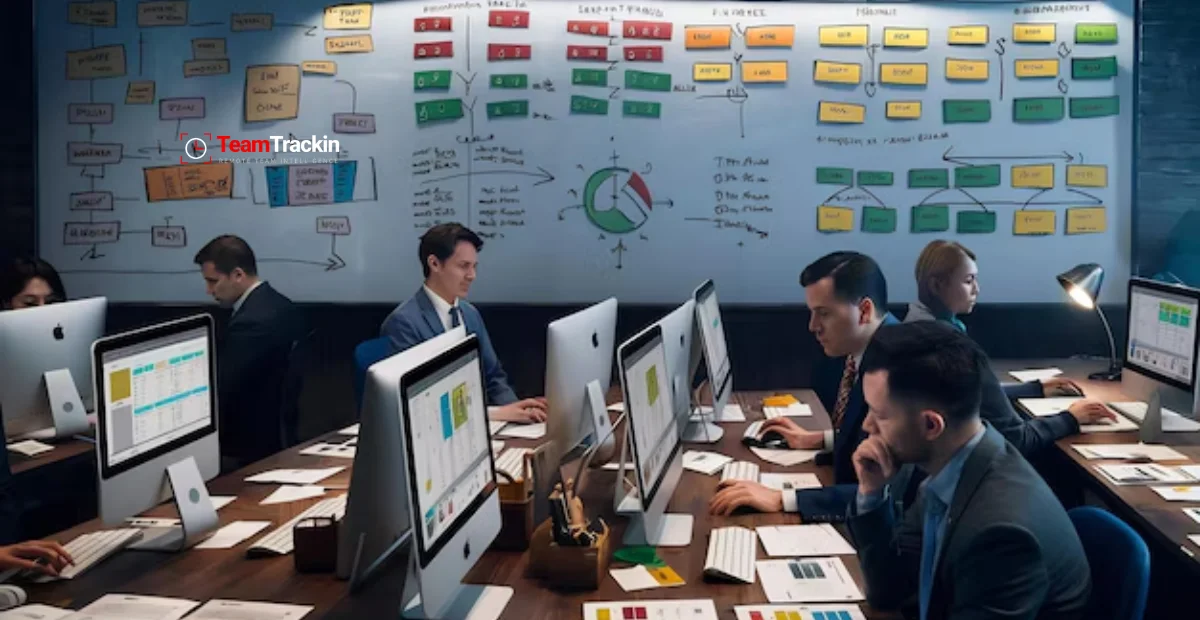
19 Project Management Techniques That Actually Work


Ready to see what accurate, automated time tracking looks like for your team?
Start your free 14-day trial of TeamTrackin today — no credit card required, full access from day one.
Start Free Trial