
For decades, businesses measured performance by one simple metric: time spent at work. Clock-ins, timesheets, and logged hours were treated as proof of productivity. But in today’s digital, remote-first workplace, that logic no longer holds. Employees can sit at their desks for eight hours and produce very little or deliver exceptional results in half the time. This is why modern organizations are shifting toward performance-tracking software that measures output rather than hours. In this guide, we’ll explore how performance tracking has evolved, why output-based measurement matters more than ever, and how the right tools help companies build productive, fair, and scalable teams Time tracking still plays a role in payroll and compliance, but as a performance metric, it’s deeply flawed. Two employees can log the same number of hours and produce vastly different results. Time-based measurement: Rewards presence instead of impact Encourages “busy work” over meaningful outcomes Penalizes efficient, high-performing employees This problem is especially visible in remote and hybrid teams, where visibility is limited, and flexibility is essential. Modern roles, developers, marketers, analysts, and designers are output-driven by nature. Their value is measured by: Quality of work delivered Deadlines met Consistency and focus Tracking hours alone doesn’t capture any of this. Performance tracking software helps organizationsmeasure how work is performed and what results are achieved, rather than simply how long someone is online. Instead of focusing on time, these tools analyze the following: Productivity patterns Task efficiency Workload distribution Output consistency over time The goal is insight, not surveillance. Performance-tracking software identifies when employees are actively working, versus idle or distracted, helping managers understand true focus levels without micromanaging. By analyzing how long tasks actually take and where delays occur, managers can: Improve processes Remove bottlenecks Set realistic expectations Sustainable performance matters more than short bursts of activity. Output-based tracking highlights: Burnout risks Long-term performance patterns This makes it easier to support employees before problems escalate. Time tracking answers the question “How long?” Modern organizations need both, but performance tracking is what drives growth. With clear performance data, managers can: Coach, base decisions on facts, not assumptions Identify high performers fairly Support struggling employees with clarity Performance tracking reveals workload imbalances early, helping teams: Prevent burnout Distribute work more evenly Maintain sustainable productivity When expectations are tied to output, employees gain autonomy while remaining accountable for results. This builds trust and ownership. One of the biggest concerns around tracking software is employee trust. The solution isn’t avoiding tracking; it’s doing it ethically. Modern performance tracking software should: Be transparent about what is tracked Focus on trends, not constant monitoring Avoid invasive data collection Support productivity, not punishment When employees understand that tracking exists to improve workflows, not spy on them, adoption and engagement increase significantly. Remote teams lack natural visibility. Without data, managers often rely on the following: Availability indicators Message response times Assumptions These are poor indicators of real performance. Performance tracking software provides: Objective productivity insights Time-zone-independent measurement Fair evaluation based on results This allows teams to work flexibly while maintaining accountability. When evaluating tools, managers should prioritize features that support output, not surveillance: Active vs idle time insights Productivity trends and reports Task and workflow analysis Team-level performance dashboards Ethical monitoring controls These features help organizations scale performance management without harming culture. TeamTrackin is built for modern teams that want clarity without control. Instead of focusing on hours alone, TeamTrackin helps organizations: Understand real productivity patterns Measure output through activity insights Improve workflows with data-backed decisions Maintain transparency and employee trust By shifting the focus from time to outcomes, TeamTrackin enables smarter management and healthier teams. As work continues to evolve, performance tracking will move further away from rigid schedules and closer to the following: Outcome-based evaluation Employee autonomy Data-informed leadership Organizations that adopt output-focused performance tracking today will be better positioned to attract talent, retain high performers, and scale efficiently. Tracking hours made sense when work was repetitive and location-bound. That era is over. Today’s organizations need performance tracking softwarethat measures output, not hours; tools that reveal how work gets done; support employees; and drive real results. By focusing on outcomes instead of time, businesses build stronger teams, fairer evaluations, and sustainable productivity. Performance tracking software measures employee productivity based on output, activity patterns, and efficiency rather than just hours worked. Time tracking records hours, while performance tracking analyzes how work is done and what results are achieved. Yes, when used transparently and responsibly, it supports productivity and trust rather than surveillance. Absolutely. Output-based tracking is especially effective for remote and hybrid teams where flexibility matters. No. Time tracking supports payroll and compliance, while performance tracking improves productivity and management decisions.Why Time-Based Performance Measurement Is Failing Modern Teams
Hours Worked ≠ Value Delivered
The Rise of Knowledge Work
What Is Performance Tracking Software?
Output-Based Performance Tracking: What It Really Measures
Focus and Active Work Time
Task and Workflow Efficiency
Consistency Over Time
Performance Tracking vs Time Tracking: The Key Difference
Performance tracking answers “How well?”How Performance Tracking Software Improves Productivity
Better Managerial Decisions
Reduced Burnout and Overload
Stronger Accountability Without Micromanagement
Ethical Performance Tracking: Transparency Matters
Performance Tracking for Remote and Hybrid Teams
The Visibility Challenge
Why Output-Based Tracking Works Remotely
Key Features to Look for in Performance Tracking Software
How TeamTrackin Helps Measure Performance the Right Way
The Future of Performance Measurement
Conclusion
FAQs
1. What is performance tracking software?
2. How is performance tracking different from time tracking?
3. Is performance tracking software ethical?
4. Can performance tracking work for remote teams?
5. Does performance tracking replace time tracking?
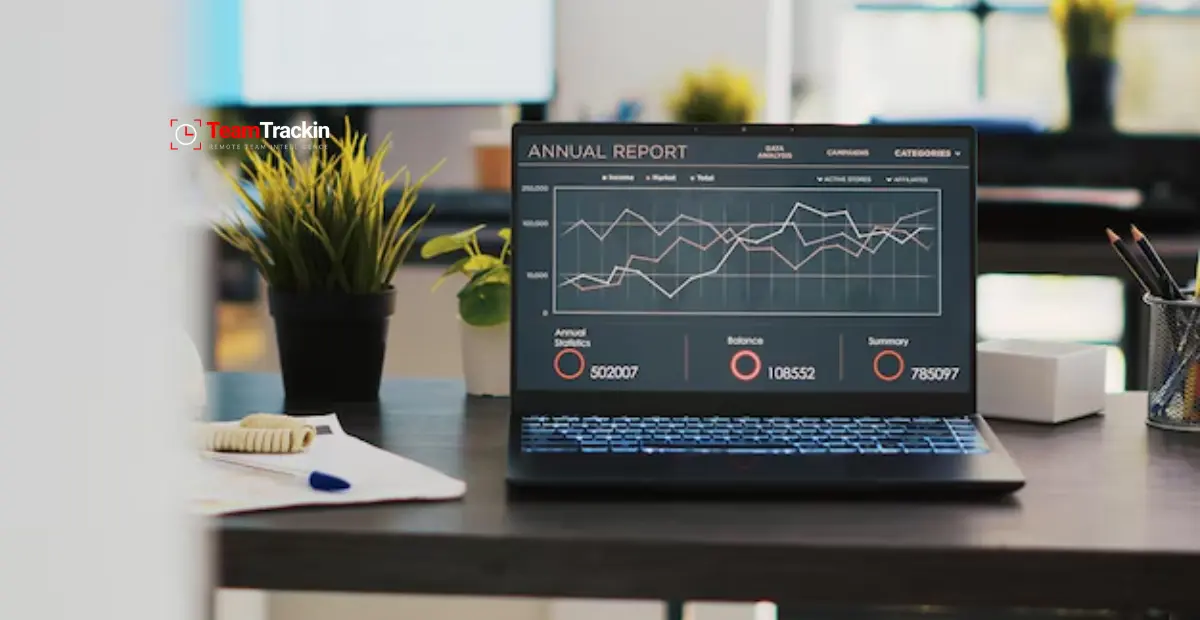
Performance Tracking Software: Measuring Output, Not Hours
Ready to see what accurate, automated time tracking looks like for your team?
Start your free 14-day trial of TeamTrackin today — no credit card required, full access from day one.
Start Free Trial