
The shift to remote work has fundamentally changed how businesses operate. What started as a temporary pandemic response has evolved into a permanent fixture for millions of workers worldwide. According to recent studies, over 35% of the workforce now operates in hybrid or fully remote environments. This transformation brings unique challenges for managers and team leaders. How do you ensure your team stays productive when they're scattered across different time zones? How do you measure performance without the traditional office environment as a reference point? The answer lies in implementing strategic remote workforce management practices that balance oversight with trust. Forbes reveals that 98% of team members in the U.S. want at least partial remote work flexibility. This guide will walk you through everything you need to know about monitoring remote team productivity effectively. You'll learn how to set meaningful KPIs, choose the right employee activity tracking tools, and implement ethical monitoring practices that boost performance without damaging team morale. Virtual team performance management serves several critical purposes beyond simply checking if employees are working. Effective monitoring creates accountability structures that help both managers and team members understand expectations clearly. Remote monitoring helps identify productivity patterns that might be invisible in traditional office settings. Some employees thrive in morning hours, while others perform best late in the day. Understanding these patterns allows managers to optimize meeting schedules and deadline expectations. Monitoring also supports employee engagement by providing concrete feedback opportunities. When managers can see both the challenges and successes team members experience, they can offer targeted support and recognition. This data-driven approach to management often leads to more meaningful performance conversations than generic annual reviews. Perhaps most importantly, structured monitoring helps prevent burnout by identifying when team members are overworked or struggling with specific tasks. Early intervention based on productivity data can prevent small issues from becoming major performance problems. The foundation of effective remote work KPIs lies in distinguishing between output-focused and input-based metrics. Input metrics measure activities like hours logged or emails sent, while output metrics focus on completed projects, quality scores, and goal achievement. Smart managers prioritize output metrics because they align with business objectives. Instead of tracking whether someone worked eight hours, focus on whether they completed their assigned tasks at the expected quality level. This approach encourages efficiency rather than simply logging time. SMART goals provide the framework for meaningful performance benchmarks. Each goal should be Specific, Measurable, Achievable, Relevant, and Time-bound. For remote teams, this might mean setting weekly project milestones rather than daily task lists, allowing for flexibility while maintaining accountability. Consider creating both individual and team-level KPIs. Individual metrics might include completion rates and quality scores, while team metrics could focus on collaboration frequency and project delivery timelines. This dual approach ensures both personal accountability and collective success. Output quality and deadline adherence form the cornerstone of meaningful productivity measurement factors. These metrics directly correlate with business value and customer satisfaction. Track completion rates, revision requirements, and on-time delivery percentages to get a clear picture of team performance. Time-on-task analysis provides insights into work patterns without becoming invasive. Modern employee time tracking tools can identify when team members are most productive and where they might be struggling with inefficient processes. However, avoid focusing solely on active screen time, as some of the best work happens during the thinking and planning phases. Collaboration frequency offers valuable insights into team dynamics and communication effectiveness. Measure participation in team meetings, response times to internal communications, and contributions to shared projects. These metrics help identify team members who might be feeling isolated or overwhelmed. Communication quality metrics can reveal whether team members have the support they need to succeed. Track the types of questions being asked, the frequency of status updates, and the clarity of project communications to identify areas for improvement. Selecting appropriate productivity tracking solutions requires balancing functionality with employee privacy concerns. Start by identifying your primary monitoring objectives. Do you need detailed time tracking, project management integration, or behavior analytics? Consider your team size and budget constraints when evaluating options. Many remote monitoring software platforms offer tiered pricing based on features and user count. Small teams might benefit from free tools like Clockify, while larger organizations may need enterprise solutions such as TeamTrackin with advanced analytics. Integration capabilities should play a major role in your decision. The best employee monitoring software seamlessly connects with your existing project management tools, communication platforms, and payroll systems. This integration reduces administrative overhead and provides more comprehensive insights. Privacy compliance features are non-negotiable in today's regulatory environment. Ensure any tool you select meets GDPR, CCPA, and other relevant privacy standards. Look for features like data encryption, user consent management, and transparent data usage policies. TeamTrackin stands out as one of the most affordable productivity tracking tools, starting at just $1.99 per user monthly. It offers essential features like time tracking, task management, and basic reporting, making it an ideal choice for startups and budget-conscious teams. While it may not have advanced analytics like some competitors, its clean interface and easy setup make it a quick win for businesses seeking simple, cost-effective monitoring. Hubstaff excels in comprehensive time tracking with GPS functionality for field teams and optional screenshot monitoring. Its payroll integration makes it particularly valuable for teams with varied compensation structures. However, the screenshot feature can feel invasive if not implemented thoughtfully. Time Doctor focuses on time logging with built-in distraction alerts and detailed productivity reports. It offers excellent integration with popular project management platforms and provides useful insights into time allocation across different tasks and projects. Teramind provides advanced behavior analytics and data loss prevention features, making it suitable for organizations with strict security requirements. Its AI-powered insights can identify unusual work patterns and potential productivity issues before they impact results. Clockify offers robust free time tracking capabilities perfect for small teams or organizations just starting with remote monitoring. While it lacks some advanced features, its simplicity and cost-effectiveness make it an excellent entry-level option. RescueTime specializes in focus and distraction analysis, providing detailed insights into how team members spend their digital time. Its automatic categorization of activities helps identify productivity patterns without requiring manual time entry. Workplace transparency forms the foundation of successful remote monitoring programs. Communicate your monitoring policies clearly during onboarding and provide regular updates about how data is collected and used. Team members should understand exactly what's being tracked and why. Balance oversight requirements with employee trust by focusing on results rather than surveillance. Avoid monitoring practices that feel punitive or invasive. Instead, frame monitoring as a tool for support and development rather than enforcement. Create opportunities for team members to provide feedback about monitoring policies and tools. Regular surveys and open discussions can help identify concerns before they impact morale or performance. Be willing to adjust your approach based on team input. Establish clear boundaries around monitoring scope and data access. Not every manager needs access to detailed activity logs, and not every metric needs to be tracked continuously. Define appropriate levels of oversight for different roles and situations. Regular progress reviews provide structured opportunities to discuss both performance data and qualitative feedback. Weekly one-on-ones allow for course correction and support, while monthly reviews can focus on broader patterns and goal progress. AI productivity tracking tools can identify patterns that humans might miss in large datasets. Machine learning algorithms can predict workload bottlenecks, identify team members at risk of burnout, and suggest optimal task allocation based on historical performance data. Predictive analytics helps with resource planning and workload distribution. Anomaly detection features can alert managers to unusual patterns that might indicate problems or opportunities. Sudden changes in productivity metrics, communication patterns, or work schedules might signal issues that need attention or successes worth replicating. Employee well-being metrics are becoming increasingly important as organizations recognize the connection between mental health and productivity. Future monitoring tools will likely include stress indicators, work-life balance measurements, and burnout risk assessments. Enhanced privacy-first monitoring technologies are emerging in response to growing privacy concerns. These solutions focus on aggregate team insights rather than individual surveillance, providing valuable management information while respecting personal privacy. Integration with project management and collaboration tools will continue to deepen, creating more seamless workflows and comprehensive insights. The future of remote work tools lies in platforms that combine monitoring, communication, and project management in unified systems. Hybrid team productivity trends suggest that monitoring solutions will need to accommodate mixed work environments where some team members are in-office while others work remotely. Flexible tools that provide consistent insights across different work arrangements will become essential. Effective remote team monitoring requires a balanced approach that prioritizes outcomes over activity surveillance. The most successful remote managers focus on creating clear expectations, providing appropriate tools, and maintaining open communication channels rather than simply tracking every minute of their team's day. Start small with your monitoring implementation. Choose one or two key metrics and gradually expand your tracking capabilities based on what you learn. This iterative approach allows you to refine your systems while maintaining team trust and buy-in. Focus on output-based metrics like project completion rates and quality scores rather than detailed activity monitoring. Use time tracking tools that measure productivity patterns without capturing personal information. Always communicate transparently about what data you're collecting and why. Prioritize goal achievement rates, project delivery timelines, and quality metrics over input measures like hours logged. Communication, responsiveness, and collaboration participation also provide valuable insights into team engagement and effectiveness. Clockify offers excellent free time tracking capabilities, while Trello provides basic project management features at no cost. RescueTime has a free tier for individual productivity insights, and many communication tools like Slack offer robust free plans for small teams. Track improvements in project delivery times, quality scores, and team satisfaction surveys over time. If monitoring leads to better support for struggling team members and recognition for high performers, you're on the right track. Regular feedback from your team about the monitoring process is also essential.Why Remote Productivity Monitoring Matters
Set Clear Goals and Key Performance Indicators
Key Metrics for Measuring Team Efficiency
How to Choose the Right Remote Monitoring Software
Top Productivity Tracking Solutions Compared
Implement Ethical Monitoring Practices
Future Trends in Remote Work Monitoring
Conclusion
Frequently Asked Questions
How can I track remote workers without invading privacy?
What metrics are most important for remote team productivity?
Which free tools are best for small remote teams?
How do I know if monitoring is helping performance?
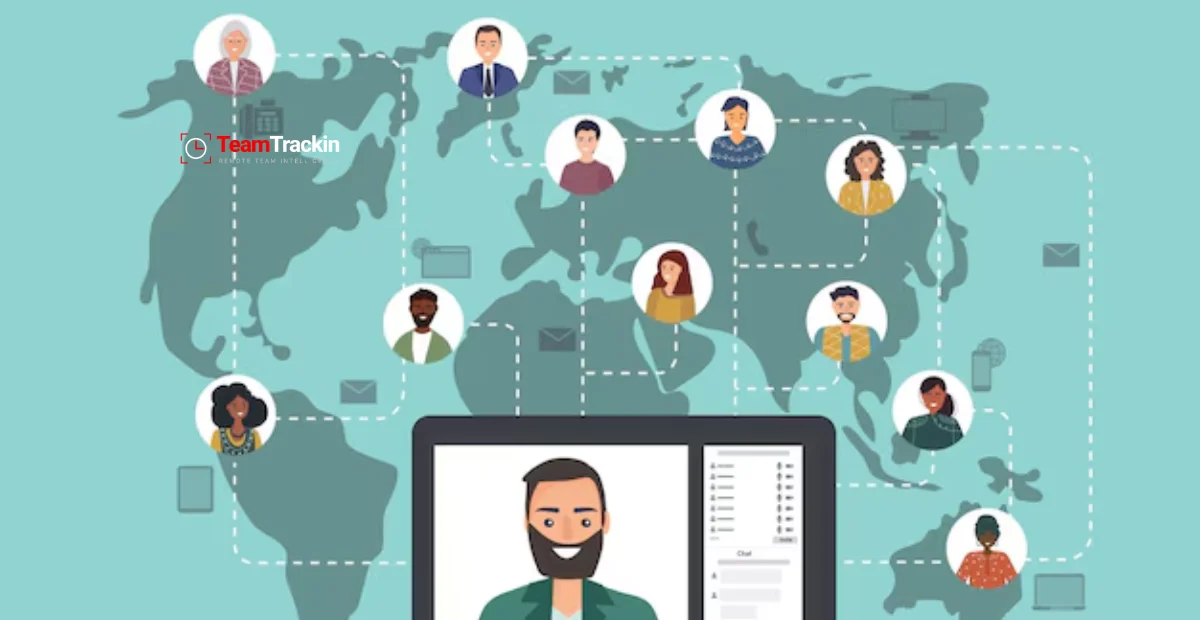
How to Monitor Productivity of Remote Teams? Manager's Guide


Ready to see what accurate, automated time tracking looks like for your team?
Start your free 14-day trial of TeamTrackin today — no credit card required, full access from day one.
Start Free Trial