
Managing modern teams, especially remote and hybrid workforces, requires visibility into how work gets done. That’s why many organisations adopt tools such as employee monitoring software and productivity platforms. Although the terms are often used interchangeably, they represent two very different approaches to workforce management. Understanding the difference can help companies choose the right solution to improve productivity, maintain transparency, and build trust within teams. This guide explains the key differences between employee monitoring software and productivity monitoring, their use cases, and how modern workforce platforms combine both approaches. Employee monitoring software is designed to track employee activities during working hours. These tools typically collect data such as: Website usage Application activity Screen activity or screenshots Keystrokes or mouse movements File transfers and system access The goal is to observe behaviour and ensure employees follow company policies. Many organisations adopt monitoring tools to: Prevent data leaks Track employee attendance Identify time theft Monitor compliance and security risks However, overly intrusive monitoring can raise privacy concerns and reduce employee trust, especially if employees feel they are constantly watched. Productivity monitoring focuses on measuring output, efficiency, and workflow performance, rather than tracking every activity. Instead of surveillance-style tracking, productivity monitoring tools analyse the following: Time spent on projects Task completion rates Work patterns Productivity trends Team performance metrics The primary goal is to help teams work smarter, not simply prove they are working. For example, productivity monitoring can reveal the following: Which tasks take the most time Which workflows slow down projects Which teams are most efficient These insights allow managers to optimise workflows and improve performance. Traditional monitoring tools often emphasise control, while productivity monitoring focuses on insight and improvement. Remote work has changed how companies manage employees. Without direct visibility into office activities, organisations often adopt monitoring tools to understand how work is progressing. However, excessive surveillance can harm morale and create a culture of distrust. Instead, many modern businesses prefer productivity analytics tools that emphasise the following: Transparency performance insights ethical monitoring practices This approach allows teams to remain accountable while maintaining employee autonomy and trust. Employee monitoring software may be useful in industries where security and compliance are critical. Common use cases include: Financial institutions BPO and call centers Data-sensitive organizations Customer support teams In these environments, monitoring tools help protect sensitive information and ensure regulatory compliance. Productivity monitoring is often ideal for: Remote companies Software development teams Marketing agencies Freelance teams Creative organizations These businesses benefit more from workflow insights and productivity analytics than from strict activity surveillance. Productivity monitoring allows managers to focus on results instead of constant oversight. Modern workforce platforms are increasingly adopting ethical monitoring principles, such as: Transparent tracking policies Limited data collection No intrusive surveillance Focus on productivity insights rather than micromanagement This approach balances business visibility with employee privacy. Platforms like TeamTrackin follow this model by combining productivity analytics, time tracking, and workforce management features in a privacy-focused system. Instead of invasive monitoring methods like keystroke logging or webcam access, ethical monitoring platforms emphasise transparency and performance analytics. Today’s advanced workforce tools combine elements of both systems to deliver a balanced management solution. Typical capabilities include: Smart time tracking Activity-based productivity insights automated timesheets workforce analytics dashboards project performance tracking This hybrid approach provides visibility into team performance without compromising employee trust. When evaluating workforce management tools, businesses should consider: Transparency: Employees should understand what data is being collected. Privacy: Avoid intrusive features like webcam monitoring or keystroke logging. Productivity Insights: Look for tools that analyse workflow patterns rather than just activity. Scalability: The platform should support remote teams, freelancers, and enterprise teams. Automation: Features like automated timesheets and payroll-ready reports can significantly reduce administrative work. Employee monitoring software and productivity monitoring tools both aim to improve workplace efficiency, but they take very different approaches. Employee monitoring focuses on tracking behaviour and ensuring compliance, while productivity monitoring emphasises performance insights and workflow optimisation. For modern organisations, especially those managing remote and distributed teams, the best solution is often a balanced, privacy-first workforce management platform that combines transparency with productivity analytics. Solutions like TeamTrackin help companies achieve this balance by providing ethical monitoring, smart time tracking, and workforce insights in a single platform. Employee monitoring tracks worker activities such as websites visited or applications used, while productivity monitoring measures performance metrics like task completion and workflow efficiency. Yes, employee monitoring is legal in many regions when organisations comply with privacy laws and inform employees of their monitoring practices. Most productivity monitoring tools focus on performance data rather than personal activity, making them less intrusive than traditional monitoring software.What Is Employee Monitoring Software?
What Is Productivity Monitoring?
Key Differences Between Employee Monitoring and Productivity Monitoring
Why the Difference Matters for Remote Teams
When Should Businesses Use Employee Monitoring?
When Productivity Monitoring Is the Better Choice
The Rise of Ethical Workforce Monitoring
How Modern Workforce Platforms Combine Both Approaches
Choosing the Right Workforce Management Solution
Conclusion
FAQs
What is the difference between employee monitoring and productivity monitoring?
Is employee monitoring legal?
Do productivity monitoring tools invade privacy?
What is the best solution for remote teams?
Remote teams benefit from platforms that combine time tracking, productivity analytics, and workforce management while maintaining employee privacy.
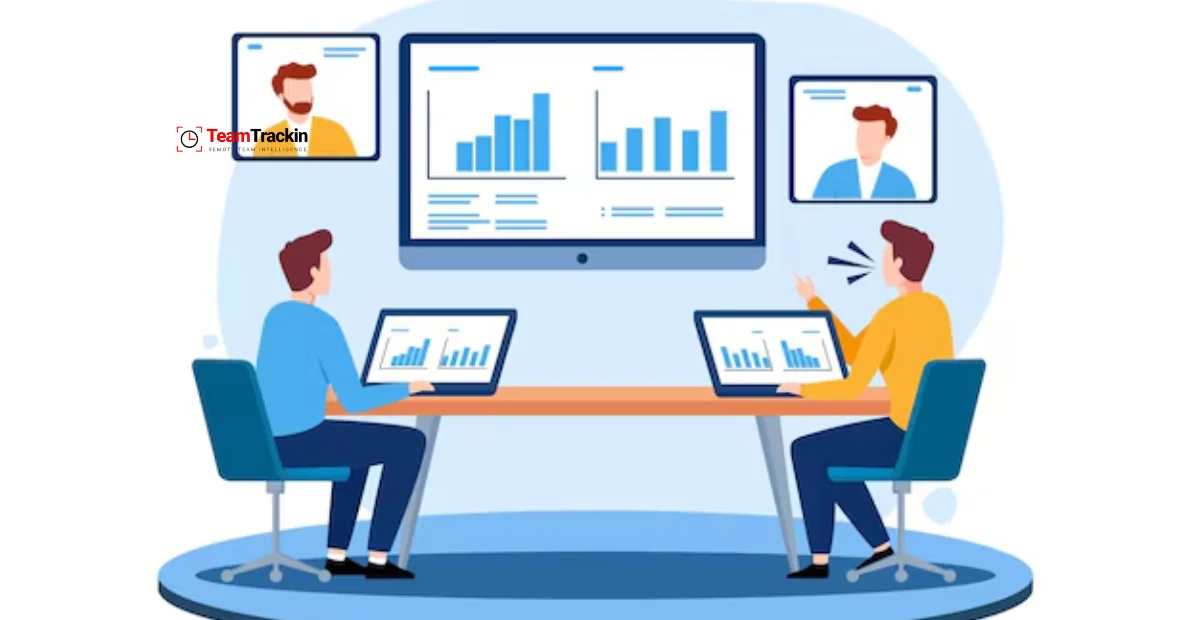
Employee Monitoring Software vs Productivity Monitoring: Key Differences
Ready to see what accurate, automated time tracking looks like for your team?
Start your free 14-day trial of TeamTrackin today — no credit card required, full access from day one.
Start Free Trial