
Managing employee attendance has become a core part of running a productive and well-planned workforce. As teams grow, schedules become flexible, and remote or hybrid work becomes common, businesses can no longer rely on manual attendance records or guesswork. This is where attendance tracking plays a critical role. Modern attendance tracking software helps businesses understand when employees work, how consistently they show up, and how attendance patterns affect productivity and workforce planning. In this guide, we’ll explore how attendance tracking improves efficiency, supports smarter planning decisions, and why many organizations now rely on automated time and attendance tracking software. Attendance directly affects productivity, project timelines, payroll accuracy, and employee accountability. When businesses lack visibility into attendance, small issues quickly turn into larger operational problems. Common challenges without proper attendance tracking include unclear work hours, frequent absenteeism, scheduling conflicts, and payroll errors. Over time, these issues reduce productivity and make workforce planning difficult. A reliable employee attendance tracking system provides clarity by offering accurate, real-time data on when employees are working and how consistently they meet their schedules. Attendance tracking software is a digital solution that records employee work hours, attendance patterns, and time-related data automatically. Instead of relying on spreadsheets or manual logs, businesses use an attendance tracking system to capture attendance data accurately and consistently. Modern tools often combine time and attendance tracking into a single platform, allowing managers to track clock-ins, clock-outs, breaks, and total work hours in one place. Many solutions are available as a web platform or an attendance tracker app, making them suitable for office-based, remote, and field teams. Attendance tracking does more than record hours it directly supports productivity improvement across teams. When employees know their attendance is tracked accurately, it encourages consistency. Awork attendance tracker creates transparency, ensuring that work hours are logged fairly for everyone. This clarity helps reduce habitual late arrivals, unplanned absences, and time misuse. Over time, consistent attendance leads to smoother workflows and better collaboration. Manual tracking methods often lead to mistakes, buddy punching, or unintentional time theft. Automated attendance tracker software removes these risks by recording attendance data digitally and accurately. By reducing errors, teams spend less time correcting timesheets and more time focusing on productive work. With attendance time tracking software, managers can see patterns such as frequent late starts, early departures, or extended breaks. These insights help identify productivity gaps and optimize work schedules without micromanaging employees. Productivity is only one side of the equation. Attendance data is also essential for effective workforce planning. An employee attendance tracker provides historical attendance data that helps managers create realistic schedules. By understanding availability trends, businesses can assign shifts more efficiently and avoid overstaffing or understaffing. This is especially valuable for industries that rely on shift work or hourly employees. Attendance insights allow managers to plan workloads based on real availability rather than assumptions. A reliablestaff attendance tracker ensures that projects are assigned to teams with the capacity to handle them. This leads to better workload balance and fewer last-minute disruptions. With consistent data from time attendance tracking software, businesses can forecast staffing needs more accurately. Trends in absenteeism, overtime, or seasonal attendance changes help leaders prepare for future workforce demands. Payroll errors are one of the most common complaints in organizations that rely on manual attendance tracking. Automated time and attendance tracking software simplifies payroll by ensuring accurate hour calculations. A time track attendance software records exact working hours, overtime, and breaks, reducing disputes and administrative overhead. This accuracy builds trust between employees and management while saving time for HR and finance teams. Remote and hybrid work environments require a different approach to attendance tracking. Instead of physical punch clocks, businesses rely on digital tools, such as attendance tracking apps or cloud-based attendance tracking systems. These tools enable employees to log work hours from any location, providing managers with visibility into attendance without requiring intrusive monitoring. A modern employee attendance tracking software supports flexibility while maintaining accountability. Not all attendance tools deliver the same value. The best software for tracking employee time and attendance typically includes: Accurate time logging Real-time attendance reports Integration with payroll systems Support for remote and on-site teams Easy-to-use dashboards Secure data handling A well-designed employee attendance tracking system should reduce administrative work rather than add complexity. One concern businesses often have is how to track attendance without damaging trust. The answer lies in transparency and purpose. When employees understand that tracking employee attendance supports fair payroll, better planning, and balanced workloads, it feels supportive rather than controlling. Using a clear and ethical attendance tracking software helps create a culture of accountability without constant supervision. Attendance data is a valuable input for decision-making. With insights from a time attendance tracking system, leaders can evaluate team performance, identify operational bottlenecks, and improve overall efficiency. Rather than relying on assumptions, managers use real data to adjust schedules, staffing levels, and productivity strategies. As organizations grow, manual attendance tracking simply doesn’t scale. Businesses are increasingly adopting attendance tracker software because it saves time, reduces errors, and provides actionable insights. An automated attendance tracking app or platform becomes a central part of workforce management, connecting attendance data with productivity, planning, and payroll processes. Attendance tracking is no longer just an administrative task—it’s a strategic advantage. By using modern attendance tracking software, businesses gain visibility into workforce patterns, improve productivity, and plan more effectively. Whether you manage an on-site team, a remote workforce, or a hybrid environment, a reliable employee attendance tracking system helps you stay organized, reduce inefficiencies, and make smarter decisions. In a competitive business environment, accurate attendance tracking isn’t optional; it’s essential for sustainable productivity and workforce planning. Attendance tracking software is a digital tool that records employee attendance, work hours, and time-related data to improve productivity, payroll accuracy, and workforce planning. Attendance tracking improves productivity by increasing accountability, reducing time theft, minimizing manual errors, and helping managers optimize work schedules. Yes, attendance tracking software helps remote teams log work hours accurately while giving managers visibility without micromanaging employees. Attendance tracking focuses on presence and work hours, while time tracking often measures how time is spent on tasks and projects. Many tools combine both.Why Attendance Tracking Matters in Today’s Workplace
What Is Attendance Tracking Software?
How Attendance Tracking Improves Workforce Productivity
Clear Accountability and Consistency
Reduced Time Theft and Manual Errors
Better Use of Working Hours
The Role of Attendance Tracking in Workforce Planning
Accurate Scheduling and Shift Planning
Smarter Resource Allocation
Forecasting and Long-Term Planning
Time and Attendance Tracking for Payroll Accuracy
Attendance Tracking for Remote and Hybrid Teams
Key Features of an Effective Attendance Tracking System
Tracking Employee Attendance Without Micromanagement
How Attendance Tracking Supports Data-Driven Decisions
Why Businesses Are Moving to Attendance Tracker Software
Conclusion
FAQs
What is attendance tracking software?
How does attendance tracking improve workforce productivity?
Is attendance tracking useful for remote teams?
What is the difference between attendance tracking and time tracking?
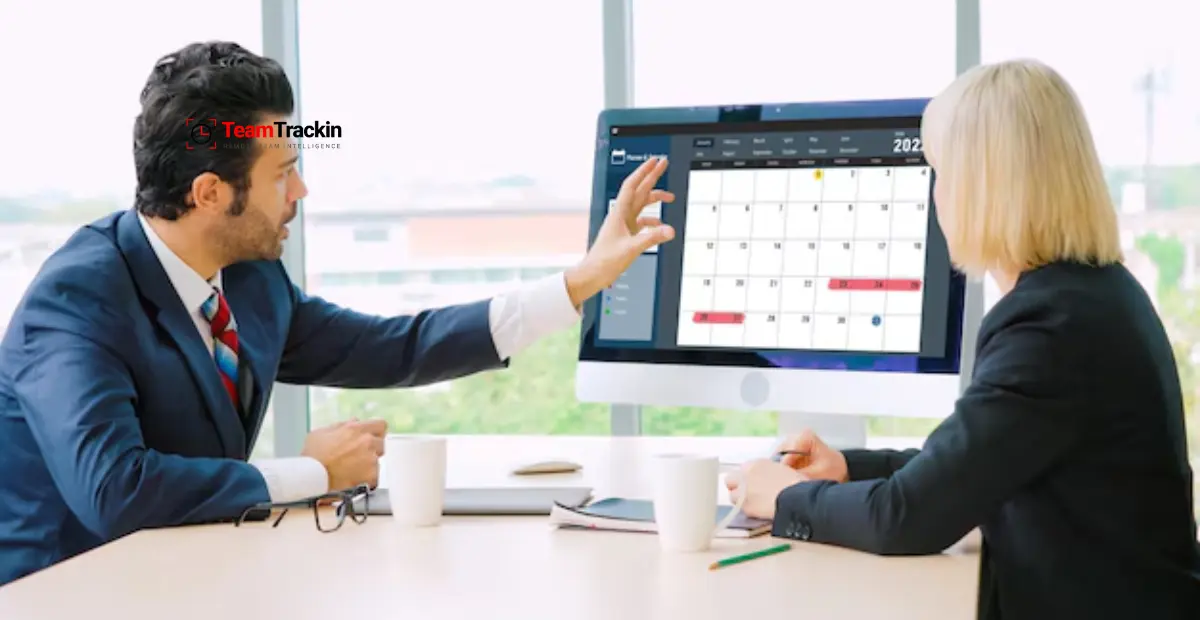
How Attendance Tracking Improves Workforce Productivity and Planning
Ready to see what accurate, automated time tracking looks like for your team?
Start your free 14-day trial of TeamTrackin today — no credit card required, full access from day one.
Start Free Trial